
电动机功率(hp)与电流
不同电压和额定功率(hp)下电动机满载电流的参考值。
概述
本页面提供了标准电压下交流感应电机典型满载电流(安培)的直接查找表。该数据对于导体、过流保护装置和配电盘的初步选型最有用。
保留原始来源上下文:"Engineering ToolBox — 工程技术应用的设计与工程资源、工具和基础信息!"来源表标题为"电动机 — 马力、电压、效率和安培",列出了 115 VAC 和 230 VAC 电机在 50% 和 70% 效率下的安培额定值。
关键公式
电机的机械功率输出与电输入电流之间的基本关系为:
此公式考虑了电机效率和功率因数的实际因素,它们决定了产生给定马力输出所需的电流。
变量
| 符号 | 说明 | 单位/值 |
|---|---|---|
| 电机满载电流 | A | |
| 电机机械功率输出 | hp | |
| 供电电压(线间) | V | |
| 电机效率(小数) | % | |
| 电机功率因数(小数) | - | |
| 745.7 | 换算系数 | W/hp |
参考数据
下表显示了常见电机尺寸的典型满载安培额定值。数值假定标准鼠笼式感应电机,适用于连续工作制。实际电流可能因制造商和具体电机设计而异。
电机额定值 (hp) | (A) | (A) | (A) | (A) |
|---|---|---|---|---|
| 0.25 | 3.2 | 2.3 | 1.6 | 1.2 |
| 0.333 | 4.3 | 3.1 | 2.2 | 1.5 |
| 0.5 | 6.5 | 4.6 | 3.2 | 2.3 |
| 0.75 | 9.7 | 7 | 4.9 | 3.5 |
| 1 | 13 | 9.3 | 6.5 | 4.6 |
| 1.5 | 19.5 | 13.9 | 9.7 | 7 |
| 2 | 25.9 | 18.5 | 13 | 9.3 |
| 5 | 64.9 | 46.3 | 32.4 | 23.2 |
来源: engineeringtoolbox.com
Motor Current Calculator
Use the calculator below to estimate full-load current for a motor not listed in the table, or to verify calculations. This uses the formula above.
电机 Full-载荷 电流 Estimator
单位换算器
电机 Horsepower and 电流 单位 转换器
还原的原始源表
以下表格还原自原始来源页面,以保留完整的参考数据。
Electrical Motors - Horsepower, Voltage, Efficiency and Amps
| Power Rating (hp) | 115 VAC | 115 VAC | 230 VAC | 230 VAC |
| Efficiency (%) | Efficiency (%) | Efficiency (%) | Efficiency (%) | — |
| 50 | 70 | 50 | 70 | — |
| 1/4 | 3.2 | 2.3 | 1.6 | 1.2 |
| 1/3 | 4.3 | 3.1 | 2.2 | 1.5 |
| 1/2 | 6.5 | 4.6 | 3.2 | 2.3 |
| 3/4 | 9.7 | 7 | 4.9 | 3.5 |
| 1 | 13 | 9.3 | 6.5 | 4.6 |
| 1 1/2 | 19.5 | 13.9 | 9.7 | 7 |
| 2 | 25.9 | 18.5 | 13 | 9.3 |
| 5 | 64.9 | 46.3 | 32.4 | 23.2 |
来源: engineeringtoolbox.com
Interactive Motor Current Chart
The original motor-current image and source table are represented below as plottable full-load current curves by horsepower, voltage, and efficiency.
Electrical 电机 Full-载荷 电流 by Horsepower
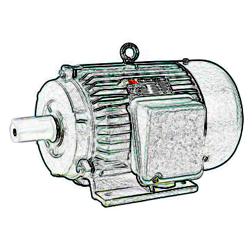
原始源图
以下原始来源图像予以保留,以免丢失视觉参考资料。当图像包含图表或表格数据时,其提取值已呈现在页面的表格、计算器或交互式图表中;其余图像保留为视觉来源参考。
工程要点
- Power Factor Significance: An electric motor is an inductive load. A low power factor means the motor draws significant current to produce useful work, increasing apparent power (kVA) demand on the supply.
- Starting Current: The table lists full-load (running) current. Motor starting (inrush) current can be 6 to 8 times higher, which is critical for selecting protective devices like circuit breakers and fuses.
- Voltage Effects: Current draw is inversely proportional to voltage. A lower-than-rated voltage will cause higher current draw for the same horsepower, potentially leading to overheating.
- Motor Nameplate: Always consult the manufacturer's nameplate on the motor for its specific rated current, efficiency, and power factor. The table provides typical values for planning purposes only.
- Three-Phase Motors: This table is for single-phase motors. The formula for three-phase motors is .